Addiction Treatment Texas: The Duty of Peer Support and Sponsors
@collinnzxo352
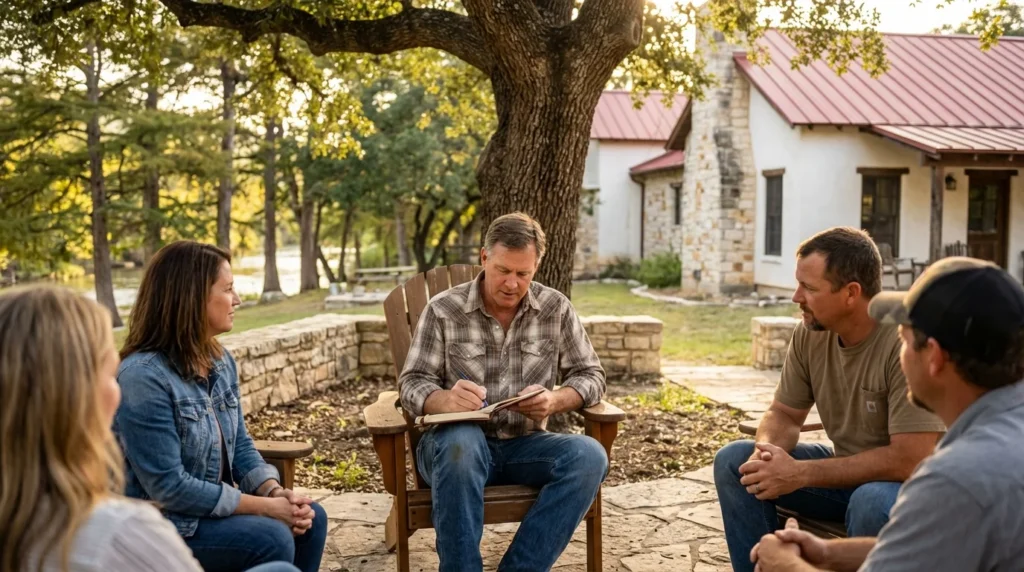
Recovery hardly ever begins with a solitary decision. For most people it starts with a conversation, a nudge from a person that has actually been there, or a moment of seeing themselves in another person's story. That is the power of peer support. In addiction treatment, particularly across Texas areas that vary from thick city cores to country regions spread over long drives, peers and enrollers typically link the space between scientific treatment and a life rebuilt.
This is not concerning changing therapy or medication. It is about adding a human layer that relocates inspiration from an abstract idea into everyday action. In technique, that can be the sponsor who grabs a late night call, the recovery train who assists with a job application, or the alum from a San Antonio intensive outpatient program that strolls a newcomer into a very first conference. The greatest Texas programs treat peer assistance as a core os, not an add-on.
What peer support actually does
Peer assistance means assistance from somebody with lived experience important use and healing. In some cases it is official, similar to a certified recovery support peer expert servicing a treatment team. Sometimes it is informal, like a volunteer sponsoring individuals via a 12-step program.
The advantages are practical. A peer can show what early recuperation resembles day to day, not theoretically. They know exactly how mornings feel when rest is off, just how to take care of an initial payday in soberness, what to state at a household barbecue when an uncle provides a beer. That uniqueness constructs integrity. It also shortens the path between a problem and a remedy. Where a medical professional might suggest mindfulness for craving, a peer may state, message me when the shop aisles obtain hard, after that walk the boundary and grab your listing fast.
Research in multiple states has discovered that peer involvement is linked with better involvement in addiction treatment, greater fulfillment, and fewer hospitalizations. In my experience, the most significant shift is not medical metrics, it is an adjustment in position. People start to see recovery as something individuals like them do. That change is everything.
Sponsors, simplified
Sponsors sit inside the 12-step world. They are not therapists or situation supervisors. They are overviews with the steps, liability companions, and in some cases the person that claims, drink some water and reach a meeting.
Good enrollers do 3 points well. They make time. They tell the truth kindly. They work the same program they recommend. The most effective ones understand their limitations. They will press you to connect with a counselor if trauma surface areas, or support your selection to make use of medicine for alcohol or opioid use condition also if a conference uses blended opinions.
An enroller is not an employer or a hero. They are not a chauffeur, property manager, or bank. They do not diagnose or manage crises that need professional help. Healthy and balanced limits keep both people safe.
Texas context matters
Addiction treatment Texas encounters a massive geography and a patchwork of cultures. What works in Plano might not fit in Presidio. Programs that use peers well personalize just how they release them.
San Antonio offers an example. Numerous locals have deep household networks and bilingual houses. A peer in San Antonio who can go over food cravings in English and Spanish, who understands Sunday church rhythms, and who knows which conferences welcome young parents, adds take advantage of that a generic recommendation can not. The city additionally has a considerable active service and expert populace. Matching an expert with a sponsor who comprehends army society and the private change frequently speeds up trust.
Drive north and you can find sprawling residential areas where transport is much less of an obstacle but privacy feels vulnerable. Head west and you might run into towns with a single center and fars away in between meetings. In those settings, tele-recovery and statewide peer warm lines can supply connection when in-person assistance thins out.
Across the state, fentanyl contamination has actually increased the risks. Peers commonly supply the most trustworthy harm-reduction messages: lug naloxone, examination when possible, never make use of alone. When individuals hear it from a person who has actually turned around an overdose or lost a buddy, they listen.
Two tales, numerous lessons
An electrician from the Houston area, call him D., checked into a San Antonio property program after a job mishap and a favorable screen. He relied on no one. A therapist can have spent weeks constructing relationship. Instead, an alum strolled in, sleeves rolled up, and stated, I recognize precisely just how you stare at the ceiling at 3 a.m. They talked gears, dailies, and what to do with a service provider that paid partly in tablets. By discharge, D. Had an enroller that worked evenings, a prepare for sleep, and a commitment to call before the very first post-paycheck weekend.
Another situation, a young mom from the Southside balancing probation, childcare, and a work at a pastry shop. She maintained missing group sessions due to the fact that her childcare fell through. A peer healing train prepared a ride share with one more mom and rested with them both to map the week. That coach also helped her practice the discussion with her manager regarding changing changes. None of that turned up as a treatment technique. All of it made therapy possible.
How peer support matches clinical care
Think of the treatment arc: screening, detoxification or withdrawal monitoring as required, domestic or intensive outpatient care, drug if suggested, aftercare and long-lasting recuperation supports. Peers can link into each phase.
- During withdrawal administration, a peer stabilizes the worry and describes what the following days resemble, hour by hour. That early contact cuts versus the impulse to bolt.
- In outpatient, a peer aids convert objectives into routines. If the plan claims prevent triggers after job, the peer may suggest a walking route in the neighborhood, name a 6 p.m. Meeting by the H‑E‑B, and offer to fulfill you there the first week.
- For people on medicines like buprenorphine or naltrexone, peers can respond to stigma and share tips for adherence: set drug store tips, pair tablet time with cleaning teeth, prepare for refills before holidays.
Clinicians provide diagnosis and evidence-based treatments. Peers supply modeling, activation, and connection. The handoff between those duties must be intentional. In Texas programs that do it well, the care team fulfills regular and the peer's point of view is valued, not tolerated.
Sponsors and drug: locating alignment
Debate around medication-assisted treatment still surfaces in some 12-step rooms. Yet increasingly more enrollers in Texas approve what the clinical neighborhood has long acknowledged, that for opioid and alcohol make use of problems, certain drugs can cut yearnings and minimize mortality.
If your sponsor opposes medicine you and your prescriber deem needed, it may be time to go on. You do not owe anyone a defense of your healthcare. The custom is concepts before characters. The principle is staying alive and well.
Choosing an enroller or peer coach
Here is a concise checklist people in Texas programs have actually located beneficial when choosing a sponsor or peer recuperation trainer:
- Look for lived experience that overlaps with your course, not a mirror photo. Comparable pressure factors matter more than the same histories.
- Ask regarding availability and favored communication. If you function evenings in Laredo, an enroller who only meets at 7 a.m. May not fit.
- Listen for humbleness. You desire a person that claims, here is what helped me, let us determine what benefit you.
- Clarify boundaries in advance. Transport, money, and enchanting entanglements prevail landmines.
- Make it a 30-day trial. Revisit the fit without dramatization if it is not working.
Building peer ecosystems inside Texas programs
Strong companies do not wish that peer assistance happens. They allocate it, manage it, and gauge it. In Texas, that can include employing Healing Assistance Peer Specialists credentialed via the state's Health and wellness and Human being Solutions Compensation. Those specialists total training and supervised hours, and comply with a code of values around limits and discretion. Programs also produce graduates tracks, with monthly events and solution possibilities that maintain people connected past discharge.
When https://andresxbog315.silverstonebrief.com/posts/understanding-medication-assisted-therapy-in-san-antonio alumni feel ownership, they bring newbies along. I have actually enjoyed a San Antonio outpatient program change a Wednesday night group right into an area hub. Alumni set up coffee, a volunteer published a list of child care resources, and a peer professional worked with rides from the East Side. The regression price did not vanish, yet people returned faster after slides because they recognized where they belonged.
Measuring what matters
Leadership teams want numbers. You can track the evident ones, presence and program conclusion. Extra telling signs include engagement price at thirty day post-discharge, portion of customers matched with a peer within the very first week, time to initial sponsor contact, retention through a first holiday, and rates of return to work or college by 90 days. Security metrics matter also, such as overdose turnarounds and naloxone distribution.
None of these metrics tells a complete story alone. Try to find trends and triangulate with qualitative responses. Ask individuals what helped most, and when. In my experience, the timing of peer get in touch with issues as much as the visibility of it. Early and typically beats late and intense.
Edge cases and exactly how to handle them
Not every peer suit will certainly work. Often a sponsor becomes self-important, or a client begins counting on a peer for decisions outside their duty. Good programs interfere early. A supervisor can reset expectations or reassign matches without blame.
Relapse contagion is genuine. If a peer specialist or extremely noticeable alum go back to make use of, it can rattle a community. Have a strategy. Recognize it plainly, sustain the individual's return to care, and reinforce the larger network so no person person comes to be the foundation. Revolve duties and stay clear of overloading charismatic volunteers.
Dual medical diagnosis makes complex the image. Peers can motivate treatment participation and model medicine adherence for state of mind disorders, however they must never ever handle suicidal ideation alone. Train all peers in risk recognition and cozy handoffs to clinicians.
Privacy is not optional. In small Texas communities, everyone understands every person. Develop conference standards and enhance them. Peers must understand that even sympathetic updates to family members or companies can hurt trust.
The San Antonio sight: what local programs have learned
Providers using addiction treatment in San Antonio have leaned right into peer help a number of reasons. The city's meeting thickness is respectable, yet transportation and childcare complicate presence. Programs that deploy peers to arrange car pools and family-friendly conferences maintain young people and moms and dads involved. Bilingual peers decrease drop-offs triggered by language discomfort. Military-connected peers reel in experts who stop at common team norms.
Local healing neighborhood organizations additionally assist individuals move from therapy into purpose. Service opportunities, from health center outreach to prison in-reach, give a following action beyond remaining sober. When individuals add, their recovery has a tendency to deepen.
Where peer support reveals the most return
Three junctures continually gain from peer participation:
First, the very first 72 hours after detoxification or household discharge. People really feel raw, brash, or both. A peer walking them into their brand-new routine can prevent a quick slide.
Second, the very first cash advance after treatment. Cash magnifies triggers. Preparation just how to handle it, with someone that has discovered the hard way, makes a difference.
Third, milestone stress factors like vacations, safekeeping hearings, or the wedding anniversary of a death. These minutes slip up on people. An enroller or instructor who bears in mind and checks in changes outcomes.
For family members in Texas
Families intend to assist, and they commonly exceed because they are frightened. Peer support for families networks that energy proficiently. Al‑Anon and related teams educate limit setting, communication that prevents embarassment, and how to quit funding the trouble while still enjoying the person. In cities like San Antonio you can find family members meetings in both English and Spanish. In rural areas, online options fill voids. Family members who engage peers of their very own typically report less fatigue and less fights, which indirectly sustains the individual in treatment.
Coordinating with the justice system and employers
Texas companies and probation policemans frequently require evidence of involvement. Peers can aid the person meet needs without transforming the process into a resentful checkbox. They can also accompany individuals to human resources conversations or court dates for support, while leaving lawful suggestions to attorneys.
Drug courts in numerous Texas counties welcome peer input when appropriate. The secret is consent and clear limits, specifically around discretion. A peer ought to never be put in the setting of validating soberness in a manner that weakens trust.
Funding and policy notes
Texas has bought peer solutions across mental wellness and material usage. Programs can work with trained Healing Assistance Peer Specialists and costs specific solutions through state-funded campaigns or contracts, depending on qualification. The credentialing procedure requires training, supervised practice, and adherence to a code of values. For customers, this adds a layer of safety and expertise to what is naturally individual work.
Recovery community companies across Texas, often moneyed via a mix of grants and contributions, expand the reach of formal treatment. They hold conferences, run healing facilities, arrange naloxone trainings, and link individuals to real estate and employment resources. When a treatment company companions with an RCO, customers experience less spaces between degrees of care.
If you are obtaining started
Whether you are looking for addiction treatment Texas wide or looking particularly for addiction treatment in San Antonio, start with a program that values peer work and incorporates it with scientific care. Ask details questions:
- How swiftly will I be matched with a peer or presented to sponsor alternatives, and who collaborates that?
- What training do your peer specialists have, and who oversees them?
- How do you support people on medicine if a sponsor or meeting is skeptical?
- What alumni or neighborhood connections exist after discharge, consisting of multilingual options?
- How will you involve my household or support network without breaching my privacy?
If you currently have a sponsor but not a clinician, consider an examination with an accredited carrier to check out therapy and, if appropriate, medication. If you have a medical professional however no peer, inquire to link you with a local recuperation community company or a peer specialist.
A note on style and language in meetings
Texas conferences differ in society. Some are buttoned up. Some seem like a backyard hangout. Try numerous. In San Antonio, weeknight conferences near clinical centers attract medical care employees, while South and Westside conferences may have much more multilingual participants and prolonged family participation. If an area's style or language does not fit, maintain relocating up until you find one where you exhale.
If 12-step language does not resonate, choices exist. Clever Recovery, Haven Recuperation, Celebrate Healing, and secular companies supply different structures. The best program is the one you will use.
What progression looks like
In early recovery, progress can resemble unglamorous consistency. Appearing 3 times a week, texting your sponsor prior to you stroll right into a high-risk place, taking your medicine, sleeping 6 hours instead of 4. Over months, the pens shift. You rebuild count on with a child. You go back to school. You say no to a side gig that would put you in poor business. Peers celebrate these success since they identify just how difficult they are to earn.
Relapse belongs to many individuals's stories, not a requirement and not a moral failure. A solid peer network reduces the range in between a slip and a return to care. The expression we return on the beam sounds basic. In technique, it is a phone call addressed, an experience given, a coffee shared after a conference, a plan produced tomorrow.
The profits for Texas providers and individuals seeking help
Peer support and sponsors are not home window dressing. They are structural assistances that bring weight when specialist treatment is not in the room. In a state as large and varied as Texas, they help translate addiction treatment into daily life, in English and Spanish, in downtown San Antonio and along farm-to-market roads, after court hearings and on oilfield shifts.
If you are assessing programs, inquire about their peer infrastructure the means you would ask about their medical professionals. If you are early in recuperation, give yourself the advantage of business. Select an enroller with treatment. Include a peer train if you can. Keep your clinical team in the loop. Develop a tiny circle that knows your strategy. It is not weakness to need people. It is strategy.
Recovery expands in conversation. In Texas, with its range and nearness in equal action, peers and sponsors make sure those conversations never ever need to stop.